
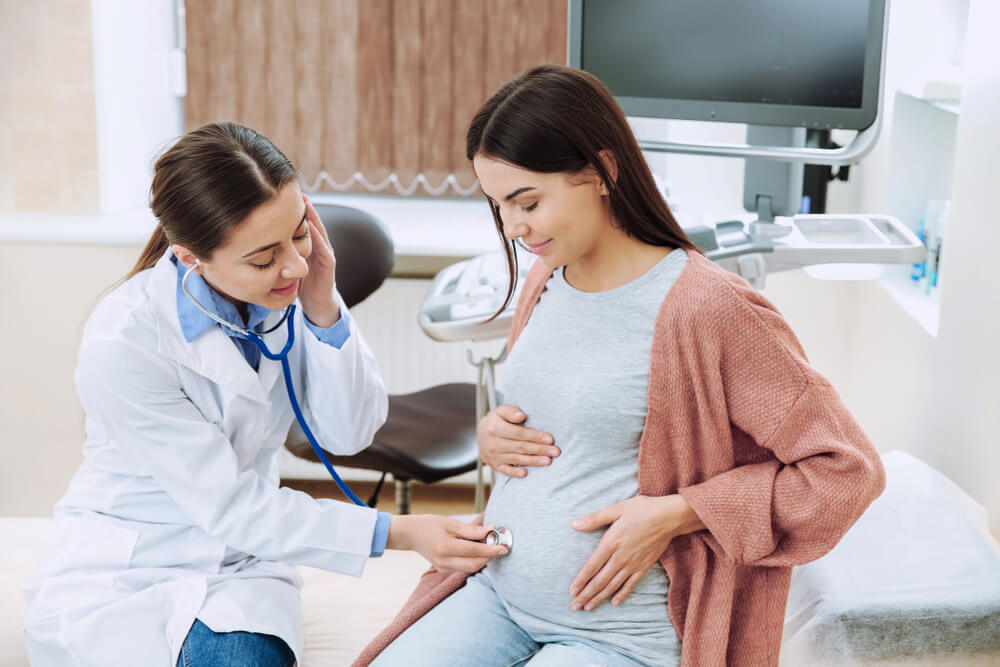
Common Gynecological Issues Explained Simply
Gynecological health is an important part of a woman’s overall well-being, yet many women hesitate to talk about it. Gynecological issues are very common and can affect women at different stages of life. Some problems are temporary and minor, while others need medical attention. Understanding these issues in a simple way helps women recognize symptoms early and seek proper care.
This article explains common gynecological issues in clear and simple language, along with basic prevention tips.
Why Gynecological Health Matters
Gynecological health focuses on the female reproductive system, including the uterus, ovaries, fallopian tubes, vagina, and breasts. Ignoring gynecological problems can lead to discomfort, infections, fertility issues, and long-term health complications.
Good gynecological care helps:
- Detect problems early
- Maintain reproductive health
- Reduce pain and discomfort
- Improve quality of life
- Support hormonal balance
Awareness is the first step toward better health.
1. Irregular Menstrual Cycles
What Are Irregular Periods?
Irregular periods mean cycles that are too short, too long, missed, or unpredictable.
Common Causes
- Hormonal imbalance
- Stress or anxiety
- Sudden weight changes
- Thyroid issues
- Polycystic Ovary Syndrome (PCOS)
When to Seek Help
If irregular periods continue for several months, medical advice is recommended.
2. Painful Periods (Dysmenorrhea)
What Is It?
Painful periods cause cramps in the lower abdomen, back pain, headaches, or nausea during menstruation.
Common Reasons
- Natural uterine contractions
- Hormonal changes
- Endometriosis
- Pelvic infections
Simple Management Tips
- Light exercise
- Warm compress
- Proper rest
- Balanced diet
Severe pain should never be ignored.
3. Vaginal Infections
Types of Vaginal Infections
- Yeast infections
- Bacterial vaginosis
- Sexually transmitted infections (STIs)
Common Symptoms
- Itching or burning
- Unusual discharge
- Bad odor
- Pain during urination
Prevention Tips
- Maintain proper hygiene
- Avoid harsh soaps
- Wear breathable underwear
- Seek timely treatment
Early treatment prevents complications.
4. Polycystic Ovary Syndrome (PCOS)
What Is PCOS?
PCOS is a hormonal condition that affects ovulation and menstrual cycles.
Common Symptoms
- Irregular periods
- Acne
- Excess hair growth
- Weight gain
Why It Matters
Untreated PCOS can lead to fertility issues and diabetes.
Management Tips
- Healthy diet
- Regular exercise
- Medical guidance
With proper care, symptoms can be managed effectively.
5. Pelvic Pain
What Is Pelvic Pain?
Pain in the lower abdomen or pelvic area that may be sharp or dull.
Possible Causes
- Menstrual cramps
- Infections
- Ovarian cysts
- Endometriosis
When to See a Doctor
If pelvic pain is severe, long-lasting, or sudden, medical attention is important.
6. Abnormal Vaginal Discharge
What Is Normal?
Normal discharge is usually clear or white and odorless.
Warning Signs
- Strong smell
- Green, yellow, or gray color
- Thick or frothy texture
These changes may indicate infection and should be checked.
7. Endometriosis
What Is Endometriosis?
A condition where tissue similar to the uterus lining grows outside the uterus.
Common Symptoms
- Severe menstrual pain
- Heavy periods
- Pain during intercourse
- Fertility problems
Why Early Care Is Important
Early diagnosis helps manage pain and protect reproductive health.
8. Ovarian Cysts
What Are They?
Fluid-filled sacs that develop on the ovaries.
Symptoms
- Mild pelvic pain
- Bloating
- Irregular periods
Many cysts are harmless and disappear on their own, but some need monitoring.
9. Fibroids
What Are Fibroids?
Non-cancerous growths in or around the uterus.
Common Symptoms
- Heavy menstrual bleeding
- Pelvic pressure
- Frequent urination
Fibroids are common and often manageable with medical advice.
10. Menopause-Related Issues
What Is Menopause?
A natural stage when menstrual periods stop, usually between ages 45–55.
Common Symptoms
- Hot flashes
- Mood swings
- Sleep problems
- Vaginal dryness
Healthy lifestyle choices and medical guidance help manage symptoms.
Simple Tips for Better Gynecological Health
- Maintain proper hygiene
- Eat a balanced diet
- Stay physically active
- Manage stress
- Avoid smoking
- Practice safe reproductive habits
Small daily habits make a big difference.
Importance of Regular Gynecological Checkups
Routine checkups help detect issues early, even before symptoms appear.
Benefits
- Early diagnosis
- Preventive care
- Reproductive health support
- Peace of mind
Women should schedule regular gynecological visits as advised by healthcare professionals.
When to Seek Medical Help
Consult a healthcare provider if you experience:
- Severe or persistent pain
- Heavy or irregular bleeding
- Unusual discharge
- Missed periods without explanation
Timely care prevents complications.
Conclusion
Gynecological issues are common and nothing to feel embarrassed about. Understanding symptoms and knowing when to seek help empowers women to take control of their health. Most gynecological problems can be managed or treated effectively with early attention, healthy habits, and regular medical care.