How to Stay Updated on CPR Techniques and Best Practices
Cardiopulmonary resuscitation (CPR) is a set of life-saving techniques used when someone’s heart has stopped beating or is not pumping blood effectively. Staying current with CPR guidelines and best practices helps you respond quickly and effectively during an emergency. Whether you are a healthcare professional or a concerned bystander, maintaining your emergency response skills can make a key difference and potentially save a life. Here’s how to stay updated on the latest CPR techniques:
Complete Online Learning
Online learning provides an opportunity to review emergency response concepts before attending an in-person skills session. With flexible scheduling options, you can study at a time that fits your routine while continuing to manage your daily responsibilities. Course materials remain accessible throughout your training, giving you the ability to revisit key topics, refresh your knowledge, and strengthen your understanding whenever needed. Reviewing skills and procedures also helps prepare you for the hands-on assessment required during the certification process.
Renew CPR Certifications
CPR guidelines and certification requirements change as emergency response standards continue to evolve. Renewing your certification helps you stay familiar with current techniques used during emergency care. Updated training also introduces changes to established life support procedures.
Certification renewal includes reviewing updated guidelines before completing a hands-on skills assessment. During the renewal process, your instructor evaluates chest compressions, rescue breathing, and other required techniques to confirm that you understand and perform the necessary procedures correctly. Practical practice sessions also reinforce the proper sequence of emergency response steps; this helps you maintain your readiness when responding to crises.
Once your renewal course begins, hands-on sessions provide an opportunity to demonstrate current techniques using approved training equipment. Ask your instructor questions and receive feedback that supports continued improvement of your emergency response skills. Throughout the renewal process, your performance is assessed to determine your ability to apply CPR techniques and respond appropriately in a variety of emergency situations.
Attend Training Courses
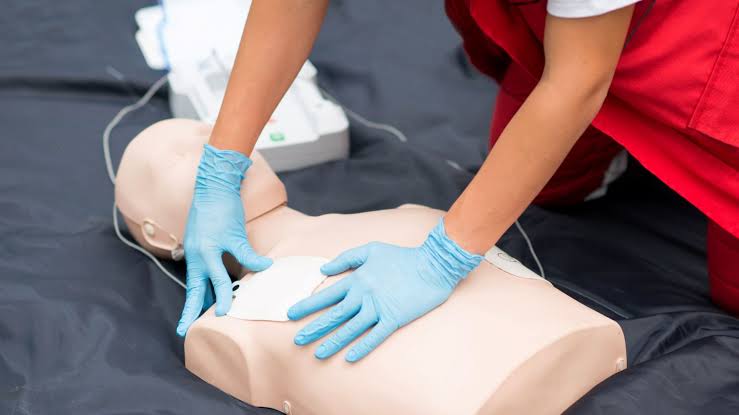
Instructor-led courses provide hands-on opportunities to practice emergency response skills under direct supervision. Classroom instruction is based on the latest guidelines and includes demonstrations using training models before you begin practical exercises. Realistic emergency scenarios allow you to apply your skills in situations that closely resemble actual emergencies. As part of your training program, you are provided with:
- Classroom instruction: Before practical lessons, students are instructed on the current emergency response procedures.
- Hands-on training: Practical sessions build good body position, compression depth, and response sequences.
- Emergency scenarios: Simulated situations provide an opportunity to use skills in structured training scenarios.
- AED practice: Proper use of an automated external defibrillator during the emergency response is often part of training.
Practice Life Support
Drills offer a structured way to strengthen the emergency response skills developed during training. Repeated practice with chest compressions, rescue breathing, and AED operation helps improve coordination and reinforces the actions required during a high-stress situation. Consistent drills also support quick decision-making by allowing you to become more familiar with the steps involved in responding to a cardiac emergency. Emergency response techniques vary depending on whether the patient is an adult or child, so practicing both approaches is a key part of ongoing preparation. Adult procedures focus on the physical needs of a fully grown person, while pediatric procedures involve adjustments based on a child’s size, age, and specific response requirements. Regularly reviewing the appropriate methods for each age group helps maintain familiarity with current life support practices.
Learn More About CPR Methods
Keeping your CPR knowledge current helps you respond using the latest emergency response techniques. Regular renewal courses, practical training, online learning, and instructor feedback all contribute to stronger emergency preparedness. Continued practice also helps reinforce the skills required during life-threatening situations. Register for a CPR training or renewal course today to keep your emergency response skills up to date.